Burning, tingling, numbness, unusual sensitivity, and nerve pain can make ordinary activities increasingly difficult. Walking, sleeping, exercising, driving, or even allowing a bedsheet to touch the feet may become uncomfortable when peripheral nerves are irritated or damaged.
For patients looking for a non-invasive option to help manage these symptoms, Class IV Laser Therapy may be considered as one part of a personalized treatment plan. The treatment uses therapeutic light energy directed into selected tissues with the goal of influencing biological processes associated with pain, inflammation, circulation, and tissue recovery.
Class IV Laser Therapy should not be described as a cure for neuropathy or as a treatment that permanently repairs every damaged nerve. Peripheral neuropathy has many possible causes, and successful treatment begins with understanding why the symptoms are occurring.
Khorrami Chiropractic Wellness Center provides Class IV Laser Therapy in Laguna Hills for patients throughout Orange County. Dr. Marjan Khorrami, D.C., evaluates each patient’s symptoms, medical history, neurological findings, and functional limitations before recommending laser therapy or another conservative approach.
Understanding Peripheral Neuropathy
Peripheral neuropathy refers to a group of conditions involving damage or dysfunction of nerves outside the brain and spinal cord.
Peripheral nerves carry sensory information, control muscles, and help regulate automatic functions throughout the body. When these nerves stop transmitting information normally, patients may experience symptoms that range from mildly irritating to significantly disabling.
Neuropathy often begins in the feet because many common forms are length-dependent, meaning the longest nerves are affected first. Symptoms may gradually move upward through the legs and, in some cases, eventually involve the hands.
Common sensory symptoms include burning, tingling, pins-and-needles sensations, numbness, electric-like pain, increased sensitivity, and reduced ability to feel temperature or touch.
Some patients also develop weakness, balance problems, changes in coordination, or difficulty knowing exactly where their feet are positioned while walking.
The National Institute of Neurological Disorders and Stroke explains that more than 100 types of peripheral neuropathy have been identified, with symptoms and treatment varying according to the nerves involved and the underlying cause.
Why the Cause of Neuropathy Matters
Neuropathy is not one specific disease.
Diabetes is one of the most common causes, but peripheral nerve problems can also be associated with physical injuries, nerve compression, autoimmune disorders, kidney or liver disease, vitamin deficiencies, certain medications, chemotherapy, alcohol exposure, infections, vascular problems, hereditary neurological conditions, and other disorders.
Some patients have idiopathic neuropathy, meaning a specific cause cannot be identified even after evaluation.
This distinction matters when considering laser therapy.
A patient with diabetic peripheral neuropathy has a different underlying problem from someone whose symptoms come from a compressed nerve in the lower back or carpal tunnel. Someone with a vitamin deficiency requires a different primary treatment from a patient experiencing chemotherapy-induced neuropathy.
Class IV Laser Therapy may be considered for symptom management in selected patients, but it should not replace treatment directed at an identifiable underlying cause.
What Is Class IV Laser Therapy?
Class IV Laser Therapy is a non-invasive treatment that delivers therapeutic light energy to selected areas of the body.
Unlike surgery or injections, the treatment does not require an incision, anesthesia, or medication to be placed into the tissues.
The laser applicator is positioned over or moved across the treatment area while controlled light energy is delivered according to the selected protocol.
The biological process produced by therapeutic light is commonly referred to as photobiomodulation.
Researchers continue to investigate how photobiomodulation may influence cellular metabolism, inflammatory signaling, circulation, pain pathways, oxidative stress, and tissue recovery.
Patients can learn more about the clinic’s Class IV Laser Therapy in Orange County.
How Could Class IV Laser Therapy Help Neuropathy Symptoms?
Peripheral neuropathy can cause abnormal nerve signaling.
A damaged sensory nerve may send pain signals even when there is no obvious injury occurring at that moment. In other cases, the nerve may stop transmitting normal information effectively, resulting in numbness or altered sensation.
Photobiomodulation is being studied as a way to influence the biological environment surrounding nerves and other tissues.
For a patient with neuropathy symptoms, the practical treatment goals may include decreasing discomfort, improving tolerance for walking or standing, reducing sensitivity, supporting local circulation, and helping the patient participate more comfortably in other parts of a rehabilitation program.
The response varies substantially between patients.
The cause of neuropathy, extent of nerve damage, duration of symptoms, general health, diabetes control, age, activity level, and treatment protocol can all influence the outcome.
What Does the Research Say About Laser Therapy for Neuropathy?
Research into photobiomodulation and peripheral neuropathy is promising, but it should be interpreted carefully.
A systematic review examining photobiomodulation in patients with diabetic peripheral neuropathy found improvements in neuropathic pain and some nerve-conduction measures across the included studies. Researchers have also continued studying photobiomodulation for neurological and metabolic outcomes associated with diabetes.
However, studies use different wavelengths, energy doses, treatment schedules, devices, treatment locations, and patient populations.
That variation is important.
Research involving photobiomodulation in general does not prove that every Class IV laser, every treatment protocol, or every patient with neuropathy will experience the same result.
For that reason, laser therapy is more appropriately described as a potential adjunctive treatment rather than a guaranteed solution for neuropathy.
Can Class IV Laser Therapy Help Diabetic Neuropathy?
Diabetic peripheral neuropathy is one of the areas in which photobiomodulation has received considerable research attention.
Long-term elevated blood glucose can damage nerves as well as the small blood vessels responsible for supplying those nerves. Symptoms frequently begin in the feet and may include burning, tingling, numbness, altered temperature sensation, or pain.
Some studies of photobiomodulation have reported improvements in neuropathic pain and selected measures of nerve function among patients with diabetic peripheral neuropathy.
That does not mean laser therapy reverses diabetes.
Managing diabetes remains fundamental. Blood glucose management, medical supervision, appropriate nutrition, physical activity when medically appropriate, medication when prescribed, and routine foot care remain important parts of protecting nerve and overall health.
For patients with reduced sensation in the feet, regular foot inspection is particularly important because cuts, blisters, pressure injuries, or ulcers may develop without producing the normal warning sensation of pain.
What About Burning and Tingling in the Feet?
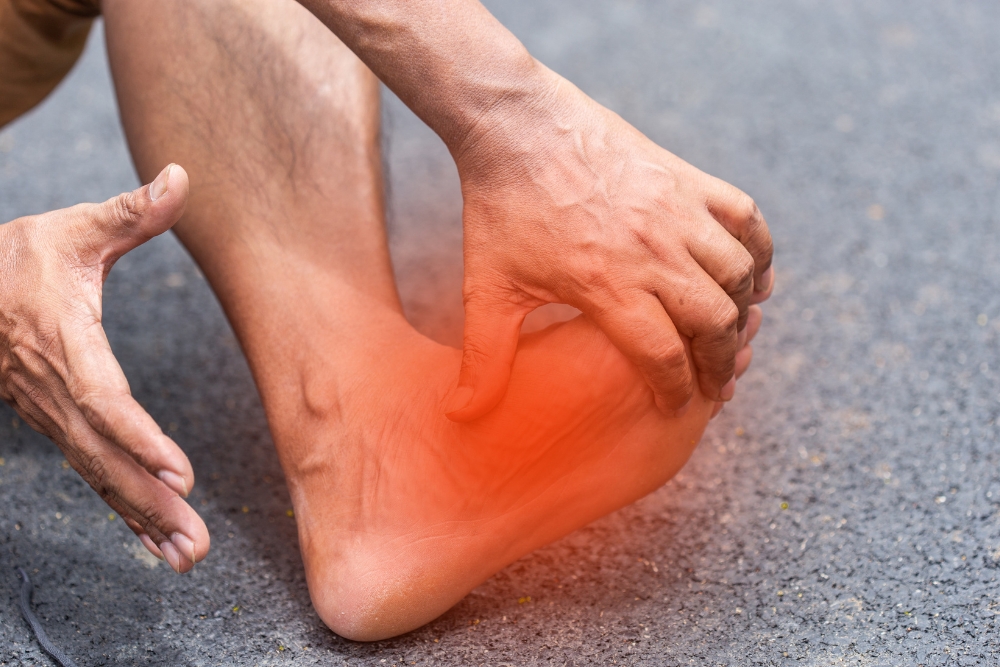
Burning and tingling are among the symptoms commonly associated with peripheral neuropathy.
Patients may describe their feet as feeling hot, electrically charged, prickly, or painfully sensitive. Symptoms can become particularly noticeable at night.
Class IV Laser Therapy may be considered when the evaluation suggests that the patient’s symptoms are appropriate for a photobiomodulation-based treatment approach.
However, burning feet should not automatically be assumed to represent neuropathy.
Similar symptoms can sometimes occur with nerve compression, spinal nerve problems, circulation disorders, vitamin abnormalities, infections, medications, or other medical conditions.
A proper evaluation should come before treatment.
Can Laser Therapy Help Numbness?
Numbness presents a different challenge from pain.
Pain usually indicates that nerve signals are being transmitted abnormally. Numbness can indicate reduced nerve signaling or loss of sensory function.
Patients sometimes focus on eliminating pain while overlooking the importance of lost sensation.
Reduced sensation in the feet can affect balance and may prevent a patient from recognizing heat, pressure, skin injuries, or developing wounds.
Research has investigated whether photobiomodulation may influence sensory function and nerve conduction in certain neuropathy populations, but improvement cannot be guaranteed.
Significant or progressively worsening numbness should receive appropriate medical evaluation rather than relying solely on symptom-based treatment.
Neuropathy Is Different From a Pinched Nerve
Patients frequently use the term neuropathy to describe virtually any tingling, burning, or numbness.
Those symptoms do not always originate from peripheral neuropathy.
A spinal nerve can become irritated by a herniated disc, degenerative changes, narrowing around the nerve, or inflammation. Nerves can also become compressed at locations such as the wrist, elbow, ankle, or other anatomical passages.
For example, sciatica can produce burning, tingling, numbness, and pain traveling into the leg or foot. Carpal tunnel syndrome may produce similar symptoms in the hand.
Treatment needs to reflect the source.
When nerve compression is responsible, Class IV Laser Therapy may sometimes be used as part of conservative care, but the broader treatment plan may also need to address mechanical irritation, movement, posture, or another contributing factor.
Khorrami Chiropractic Wellness Center also evaluates patients with sciatica and other nerve-related musculoskeletal conditions.
The Initial Neuropathy Evaluation
A responsible treatment program begins with determining what the symptoms may represent.
Dr. Khorrami may review when symptoms began, whether they developed gradually or suddenly, whether both feet are affected, whether symptoms are also present in the hands, and whether the patient has noticed weakness or changes in balance.
Medical history is also important.
Diabetes, chemotherapy, previous injuries, spinal conditions, medication use, alcohol exposure, nutritional problems, previous surgeries, and other health conditions may provide important clues.
The physical examination may assess sensation, strength, reflexes, gait, balance, movement, and neurological function.
When findings suggest that additional diagnostic testing or medical evaluation is needed, referral may be appropriate before or during conservative care.
When Additional Medical Testing May Be Necessary
Not every case of numbness or tingling requires extensive testing, but unexplained or progressive neuropathy symptoms should not simply be treated without considering their cause.
Depending on the patient’s presentation, a medical provider may recommend blood testing for diabetes, vitamin abnormalities, thyroid disorders, kidney or liver problems, or other systemic conditions.
Electromyography and nerve-conduction testing may be appropriate when more information about nerve function is needed.
Imaging may be considered when symptoms suggest that a spinal or structural problem is contributing to nerve irritation.
The goal is not to order every possible test. It is to determine whether there is an identifiable condition that requires treatment beyond symptom management.
What Does Class IV Laser Therapy Feel Like?
Class IV Laser Therapy is performed externally and does not require injections.
During a typical treatment session, the applicator is directed over the selected treatment area. Depending on the device and protocol, the applicator may be moved continuously across the skin.
Patients may experience a comfortable warming sensation during treatment.
The session should not produce burning or intolerable pain.
The provider determines treatment parameters according to the condition, treatment area, patient response, and specific equipment being used.
Protective eyewear is used during laser treatment because therapeutic lasers can present an eye hazard when proper precautions are not followed.
How Many Class IV Laser Therapy Sessions Are Needed?
There is no universal treatment schedule for neuropathy.
A person who recently developed mild nerve symptoms may respond differently from someone who has experienced severe diabetic neuropathy for many years.
Treatment frequency and duration can depend on the diagnosis, symptom severity, duration, underlying cause, overall health, treatment response, and functional goals.
The treatment plan should include periodic reassessment.
If symptoms are not changing after a reasonable treatment trial, the provider should reconsider whether the diagnosis or treatment strategy needs to be modified.
Receiving the same treatment indefinitely without meaningful progress is not an appropriate approach.
Results Develop Differently for Each Patient
Some patients may notice changes in discomfort relatively early, while others improve more gradually.
A reduction in burning after one treatment does not establish that the underlying neuropathy has resolved.
Likewise, lack of immediate improvement does not necessarily establish that no benefit is possible.
Neurological conditions can develop over months or years, and damaged nerves may recover slowly when recovery is possible.
Expectations should therefore remain realistic.
A responsible provider should not guarantee that Class IV Laser Therapy will eliminate neuropathy, permanently restore sensation, or regenerate damaged nerves.

How Should Progress Be Evaluated?
Pain intensity is only one way to evaluate neuropathy treatment.
For some patients, improved function may be equally important.
Progress might include sleeping with fewer interruptions, tolerating shoes more comfortably, standing longer, walking farther, returning to appropriate exercise, experiencing less nighttime burning, or feeling more confident during daily activities.
When weakness, sensory loss, reflex changes, or balance problems are present, these findings should also be reassessed.
Treatment decisions should be based on meaningful changes rather than continuing care simply because a predetermined number of sessions was sold.
Class IV Laser Therapy May Be Part of a Broader Treatment Plan
Neuropathy rarely benefits from viewing one treatment in isolation.
Depending on the cause and the patient’s needs, management may involve medical care, medication, nutritional correction, blood glucose management, exercise, balance training, footwear changes, chiropractic care for associated musculoskeletal problems, or other interventions.
At Khorrami Chiropractic Wellness Center, Class IV Laser Therapy may be incorporated with other conservative services when clinically appropriate.
The clinic also provides chiropractic care, spinal decompression, MLS Laser Therapy, shockwave treatment, custom orthotics, neuromuscular re-education, and other wellness-focused services.
The purpose of combining treatments should be to address different aspects of the patient’s condition rather than simply adding more procedures.
The Importance of Foot Care When Sensation Is Reduced
Patients with numbness in the feet should pay particular attention to foot protection.
Reduced sensation can make it difficult to recognize a blister, cut, pressure point, hot surface, or poorly fitting shoe.
This is particularly important for patients with diabetes.
The feet should be inspected regularly for changes in color, swelling, cuts, blisters, sores, or other injuries.
A wound that is not healing normally requires medical attention.
Laser therapy should never be used as a reason to delay appropriate wound or diabetic foot care.
Warning Signs That Require Prompt Medical Evaluation
Certain neurological symptoms should be evaluated promptly rather than managed solely through routine conservative treatment.
Rapidly increasing weakness, major changes in walking, sudden loss of sensation, new bowel or bladder problems, severe unexplained pain, or symptoms progressing quickly through the arms or legs may indicate a condition requiring medical or neurological evaluation.
A new foot wound, infection, substantial swelling, or discoloration is also particularly important in patients with diabetes or impaired circulation.
Neuropathy symptoms accompanied by unexplained weight loss, fever, recent cancer treatment, significant toxin exposure, or a rapidly changing medical condition should also be discussed with an appropriate healthcare provider.
Who May Be a Candidate for Class IV Laser Therapy?
A patient may be considered for Class IV Laser Therapy when the examination identifies neuropathy-related discomfort or another condition for which photobiomodulation may reasonably be incorporated into conservative care.
The decision should consider the cause of symptoms, severity of sensory loss, general health, medications, medical diagnoses, previous treatment, and treatment goals.
Laser therapy is not appropriate merely because someone reports tingling or numbness.
The provider first needs to determine whether those symptoms appear to originate from peripheral neuropathy, nerve compression, a spinal condition, or another health problem.
Choosing a Class IV Laser Therapy Provider
The laser equipment is only one part of treatment.
Provider evaluation, diagnosis, treatment planning, communication, safety procedures, and willingness to reassess progress are equally important.
Before beginning treatment, patients should understand what condition is being treated, why Class IV Laser Therapy is being recommended, what results are realistic, how progress will be monitored, and what alternatives may be available.
Be cautious about claims that laser therapy can cure every form of neuropathy or guarantee restoration of damaged nerves.
A responsible provider should recognize when a patient needs medical testing, specialty evaluation, or a different form of treatment.
Learn more about Dr. Marjan Khorrami and the clinic’s approach to personalized chiropractic and wellness care.
Class IV Laser Therapy for Neuropathy in Orange County
Class IV Laser Therapy may provide a non-invasive option for selected patients seeking help with neuropathy-related pain, burning, tingling, or other symptoms.
The therapy should be considered within the context of the patient’s diagnosis rather than viewed as a universal treatment for every type of neuropathy.
Khorrami Chiropractic Wellness Center serves patients from Aliso Viejo, Irvine, Laguna Hills, Laguna Niguel, Laguna Woods, Lake Forest, Mission Viejo, Newport Beach, Rancho Santa Margarita, and surrounding Orange County communities.
The clinic provides Class IV Laser Therapy, chiropractic care, spinal decompression, MLS Laser Therapy, shockwave therapy, custom orthotics, neuromuscular re-education, and additional conservative services based on each patient’s individual needs.
Call (949) 770-0128 or schedule an appointment at 25301 Cabot Road, Suite 106, Laguna Hills, CA 92653.
FAQs
1. Can Class IV Laser Therapy cure peripheral neuropathy?
Class IV Laser Therapy should not be described as a cure for peripheral neuropathy. Photobiomodulation has shown potential for improving certain neuropathy symptoms in research, particularly diabetic peripheral neuropathy, but results vary and treatment does not eliminate every underlying cause of nerve damage.
2. Can Class IV Laser Therapy help burning feet?
Laser therapy may be considered for selected patients experiencing neuropathic burning or discomfort. Burning feet can also result from other medical or neurological conditions, so the cause should be evaluated before treatment begins.
3. Can Class IV Laser Therapy help numbness in the feet?
Research into photobiomodulation has examined sensory symptoms and nerve function, but restoration of lost sensation cannot be guaranteed. Significant or worsening numbness should receive appropriate neurological and medical evaluation.
4. Does Class IV Laser Therapy help diabetic neuropathy?
Photobiomodulation has been studied in patients with diabetic peripheral neuropathy, and some studies have reported improvements in neuropathic pain and selected measures of nerve function. Laser therapy should remain complementary to appropriate diabetes management and routine medical care.
5. Is Class IV Laser Therapy painful?
Treatment is generally non-invasive and may produce a comfortable warming sensation. Patients should tell the provider immediately if they experience excessive heat, pain, or another unexpected response during treatment.
6. How many laser therapy sessions are needed for neuropathy?
There is no standard number appropriate for every patient. The treatment schedule depends on the cause and severity of neuropathy, symptom duration, overall health, treatment response, and functional goals.
7. Is neuropathy the same as a pinched nerve?
No. Peripheral neuropathy involves dysfunction or damage of peripheral nerves, while a pinched nerve generally refers to a specific nerve being irritated or compressed. Both can cause burning, tingling, numbness, or weakness, which is why evaluation is important.
8. Can laser therapy regenerate damaged nerves?
Research continues to investigate how photobiomodulation affects nerve tissue and cellular recovery. It is not appropriate to guarantee that Class IV Laser Therapy will regenerate damaged nerves or completely restore normal nerve function.
9. When should numbness and tingling be medically evaluated?
Unexplained, persistent, worsening, or rapidly progressing numbness and tingling should be evaluated. Prompt medical attention is particularly important when symptoms are accompanied by significant weakness, walking difficulty, bowel or bladder changes, wounds, infection, or other neurological changes.
10. Where is Class IV Laser Therapy available in Orange County?
Khorrami Chiropractic Wellness Center provides Class IV Laser Therapy in Laguna Hills for patients throughout Orange County. Call (949) 770-0128 or visit the contact page to request an evaluation.
Healthcare Disclaimer: This article is provided for general educational purposes and is not a diagnosis, treatment recommendation, or substitute for care from a qualified healthcare professional.