Chronic knee pain can affect daily life in ways that build slowly over time. For some people, the problem feels worse when they go up and down stairs, get up from a chair, squat, kneel, or walk for longer periods. For others, the discomfort is less about one sharp injury and more about an ongoing pattern of stiffness, aching, weakness, swelling, or instability that keeps returning. Because knee pain can come from wear and tear, altered movement patterns, prior injury, joint irritation, or compensation elsewhere in the body, the right treatment approach is not always as simple as focusing on the knee alone.
That is one reason many patients ask whether chiropractic care can relieve knee pain without surgery. In some cases, it may help. But the better answer is not simply yes or no. The better answer is that it depends on what is contributing to the pain, how long the problem has been present, whether the issue is mostly biomechanical or structural, and whether the treatment plan is built around the patient’s actual movement pattern rather than around the knee in isolation. For many people, chiropractic care may be part of a non-surgical plan designed to improve function, reduce stress on the joint, and make everyday movement feel more manageable.
Why Chronic Knee Pain Is Not Always Just A Knee Problem
Many patients naturally focus on the knee itself because that is where the pain shows up. But chronic knee pain can be influenced by much more than the joint surface alone. The way the hips move, the way the ankle absorbs force, the way the foot contacts the ground, and the way the pelvis and spine affect overall posture can all change how much stress reaches the knee during walking, standing, climbing, and exercise.
This matters because a knee can remain irritated when the surrounding mechanics keep feeding the same stress into it. A person may feel knee pain while the deeper pattern involves poor tracking, altered gait, joint restriction above or below the knee, muscle imbalance, or long-term compensation after a past injury. In that kind of situation, treatment that only addresses symptoms without evaluating movement may leave the real pattern mostly unchanged.
Why Some Patients Want To Avoid Surgery If Possible
Many people dealing with chronic knee pain are not against surgery in every situation. They simply want to know whether a non-surgical path may help before moving into more invasive treatment. That is a reasonable question because not every chronic knee condition needs an operation, and many patients are looking for ways to improve comfort, support mobility, and function better without immediately moving toward surgical intervention.
For some patients, this means trying to reduce joint stress, improve alignment, address stiffness, and support healthier mechanics first. For others, it means finding out whether the pain is being amplified by the way the body moves rather than by a problem that can only be corrected surgically. The most useful non-surgical plan is usually the one that starts by identifying what is driving the pain pattern.
How Chiropractic Care May Fit Into a Non-Surgical Knee Pain Plan
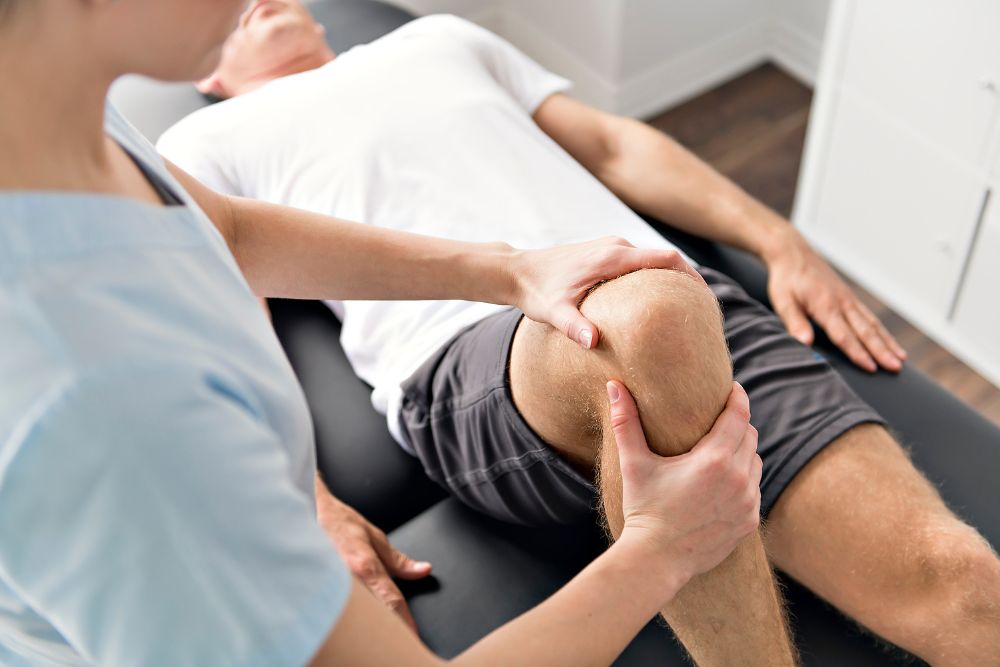
Chiropractic care is often associated with the spine, but a broader musculoskeletal approach may also include evaluation of posture, gait, joint mobility, soft tissue tension, and how different parts of the body work together. In patients with chronic knee pain, that can matter because the knee is part of a larger chain of movement. If nearby joints are not moving well, if the lower body is compensating unevenly, or if mechanics are putting repeated strain on the knee, a chiropractic treatment plan may be aimed at reducing those contributing stresses.
That does not mean chiropractic care replaces every other form of treatment or cures every knee condition. It means that for some patients, especially those with movement-related dysfunction, joint restriction, muscle imbalance, or non-surgical pain patterns, it may be one part of a broader conservative strategy.
When Chiropractic Care May Be More Relevant
Chiropractic care may be more relevant when chronic knee pain seems connected to movement problems, poor lower-body mechanics, joint restriction, postural imbalance, repetitive strain, or compensation from the hips, pelvis, ankles, or feet. Some patients notice that their pain gets worse during specific activities rather than existing as constant severe pain no matter what they do. Others notice stiffness, tracking problems, or a recurring sense that the knee is under uneven pressure.
In these situations, a chiropractic approach may be used to assess whether the body is putting avoidable stress on the knee during normal activity. If it is, improving how the body moves may help reduce irritation reaching the knee over time.
Biomechanical Stress May Be A Big Part Of The Problem
Some chronic knee pain does not come only from tissue damage. It can come from the knee being loaded poorly during walking, standing, or exercise. If that loading pattern can be improved, the knee may have a better chance to calm down and function more comfortably.
Restricted Motion Elsewhere Can Affect The Knee
If the ankle is stiff, the hip is not moving well, or the pelvis is unbalanced, the knee may absorb force differently than it should. In those situations, the knee may be reacting to a larger movement problem rather than acting as the sole source of dysfunction.
Compensation Can Keep Pain Going
After an injury, many patients unconsciously change how they walk, bend, or shift weight. That compensation can linger long after the original injury and continue feeding stress into the knee. A non-surgical treatment plan often works best when those compensation patterns are recognized instead of ignored.
When Chiropractic Care May Be Less Helpful On Its Own
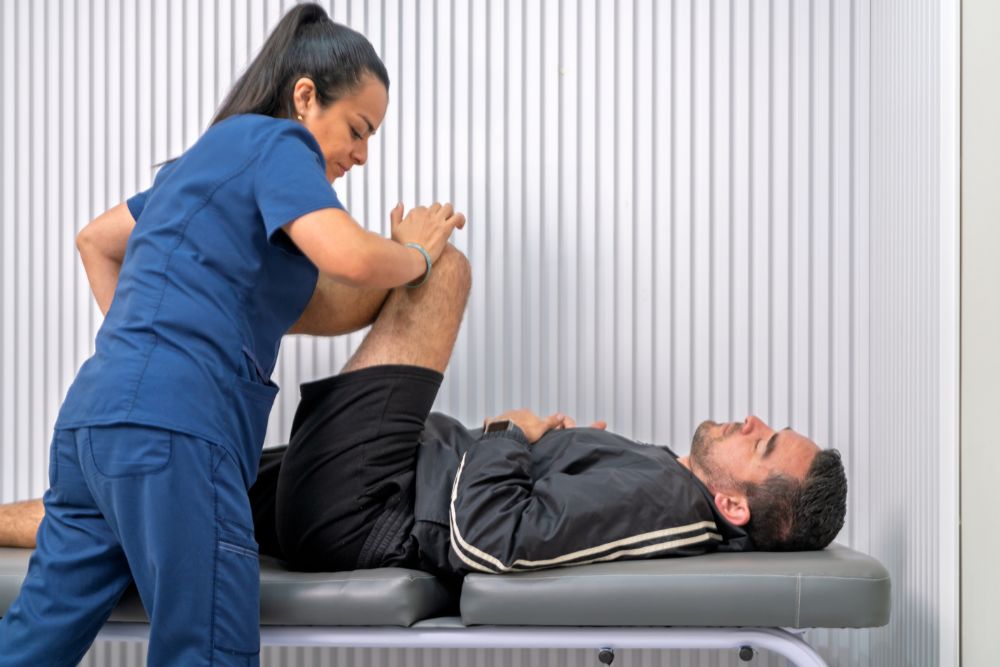
It is just as important to understand what chiropractic care may not be able to do by itself. Not every chronic knee pain case is mainly a movement problem. Some patients have significant structural damage, advanced degeneration, major instability, fractures, active inflammatory disease, or other conditions that require orthopedic evaluation and may not respond adequately to conservative care alone.
This does not mean chiropractic treatment has no role in those situations. It means the treatment should be matched honestly to the problem. If the knee condition is severe enough that surgery or specialist management is truly necessary, chiropractic care should not be presented as a substitute for appropriate medical evaluation.
Why The Source Of Knee Pain Matters So Much
Chronic knee pain is not one diagnosis. It can come from osteoarthritis, past injuries, meniscus problems, ligament strain, patellar tracking issues, tendon irritation, repetitive use, poor mechanics, or multiple overlapping factors at once. Two people may both say they have chronic knee pain while needing very different treatment strategies.
That is why a one-size-fits-all answer is not very useful. A patient with mostly arthritic stiffness may need one type of support. A patient with altered gait and foot mechanics may need another. A patient whose knee pain is being worsened by spinal, pelvic, hip, or ankle dysfunction may benefit from a different kind of treatment emphasis altogether. The better the source of pain is understood, the more realistic the treatment plan becomes.
Chiropractic Care Often Works Best As Part Of A Bigger Conservative Plan
For many patients, the most realistic non-surgical approach is not one treatment in isolation. It is a broader plan built around reducing irritation, improving movement, and supporting the body more effectively over time. At KC Wellness Center, chronic knee pain care exists alongside services such as custom orthotics, spinal decompression, laser-based therapies, shockwave treatment, and broader chiropractic care. That kind of service mix reflects an important idea: chronic joint pain often responds best when the contributing pattern is addressed from more than one angle.
That does not mean every patient needs multiple therapies at once. It means a thoughtful provider may look at the knee pain in the context of the whole body and choose the most appropriate conservative tools rather than treating the joint like an isolated problem.
What A Patient May Realistically Notice From Care
Patients often want to know whether chiropractic care will make the pain disappear immediately. Sometimes there is early relief, but that is not the only meaningful sign of progress. In many cases, a more realistic improvement pattern may look like less stiffness, easier walking, better tolerance for stairs, less pain after activity, improved confidence in movement, or reduced feeling of pressure and restriction around the knee.
That matters because chronic knee pain is often not a one-visit issue. The most useful way to judge progress is often by asking whether the movement pattern is improving and whether everyday activities are becoming more manageable, not only whether the knee felt dramatically different the same day.
Why Realistic Expectations Matter
Patients usually do best when they understand that non-surgical care is often about improvement and function, not magical instant correction. Some people respond well because the main driver of their pain is mechanical and modifiable. Others improve more gradually because the knee has been irritated for a long time or because multiple contributing issues need to be addressed.
A realistic expectation is not that chiropractic care solves every chronic knee problem in one step. A more practical expectation is that the right conservative plan may help reduce stress on the joint, improve movement, support better function, and possibly delay or avoid the need for more invasive care in some cases.

Who May Be A Better Candidate For This Approach
Patients who may be better candidates for chiropractic care as part of a non-surgical knee pain plan often include those with ongoing knee discomfort linked to walking mechanics, postural imbalance, stiffness, repetitive strain, compensation patterns, or pain that seems worse with movement and loading rather than constant severe instability. They are often looking for a way to function better, move more comfortably, and reduce chronic irritation without rushing into surgery if it may not yet be necessary.
Patients who understand that evaluation matters and that treatment may need to address the hips, ankles, feet, posture, or gait in addition to the knee itself are often the ones who get the most value from this kind of approach.
When Medical Evaluation Should Come First
Some knee conditions deserve prompt medical evaluation before any conservative care plan is relied on heavily. That includes severe swelling, major instability, inability to bear weight, obvious traumatic injury, suspected fracture, rapidly worsening symptoms, infection concerns, or neurological symptoms that do not fit a straightforward musculoskeletal pattern.
Chronic knee pain may sometimes be manageable without surgery, but that does not mean every case should be self-diagnosed. The strongest treatment decisions usually begin with understanding whether the problem is appropriate for conservative care in the first place.
The Bottom Line
Yes, chiropractic care may help relieve knee pain without surgery in some patients, especially when the pain is being influenced by poor mechanics, joint restriction, compensation, postural imbalance, gait issues, or broader musculoskeletal stress around the knee. It may be useful as part of a non-surgical plan designed to improve movement, reduce strain, and support better function over time.
At the same time, chiropractic care is not the right standalone answer for every chronic knee condition. Some cases are more structural, more advanced, or more medically complex than others. That is why the best question is not simply whether chiropractic can help in theory. The better question is whether your knee pain pattern appears to be one that may respond to conservative biomechanical treatment in a meaningful way.
For many patients, the most realistic goal is not a miracle promise. It is finding a thoughtful, non-surgical strategy that helps the knee feel more stable, more comfortable, and easier to live with while supporting better long-term movement.
Chronic Knee Pain Care At KC Wellness Center
If you are dealing with chronic knee pain and want to explore a non-surgical treatment approach, Khorrami Chiropractic Wellness Center offers care designed to evaluate the broader movement pattern behind your discomfort. The clinic’s services include chiropractic care and other supportive options for patients dealing with chronic musculoskeletal problems, including Chronic Knee Pain Treatment. To learn more, call (949) 770-0128 or visit the Schedule An Appointment page.
Frequently Asked Questions
1. Can A Chiropractor Treat Knee Pain Without Surgery
A chiropractor may be able to help some patients manage knee pain without surgery, especially when the pain is connected to movement issues, joint stress, or surrounding biomechanical problems. The right approach depends on what is actually causing the pain and whether the condition is appropriate for conservative care.
2. Does Chiropractic Care Help Arthritis Related Knee Pain
In some cases, chiropractic care may be part of a broader conservative strategy for arthritis-related knee pain. It may help by addressing joint mechanics, posture, gait, and surrounding areas that influence how stress reaches the knee. It is usually not presented as a cure for arthritis itself.
3. Can Chiropractic Care Help Knee Pain Caused By Poor Alignment
Yes, this is one of the situations where chiropractic care may be more relevant. If the knee is under uneven stress because of gait issues, hip restriction, pelvic imbalance, ankle stiffness, or postural compensation, improving those mechanics may help reduce ongoing irritation.
4. What Types Of Knee Pain May Respond Better To Conservative Care
Knee pain related to overuse, stiffness, compensation patterns, mild to moderate biomechanical dysfunction, or chronic movement-related stress may be more likely to respond to a conservative plan. Severe instability, major trauma, or advanced structural damage may require a different kind of evaluation.
5. How Long Does It Take To Notice Improvement In Chronic Knee Pain
That depends on the cause of the pain, how long it has been present, and how the patient responds to treatment. Some people notice early relief in movement or stiffness, while others improve more gradually over a series of visits. Chronic knee pain is often best judged by changes in function over time rather than by instant results.
6. Can Chiropractic Care Replace Knee Surgery
Not in every case. Some knee conditions still require orthopedic evaluation or surgical treatment. Chiropractic care may be a useful non-surgical option for some patients, but it should not be treated as a replacement for necessary medical care when the condition is severe or unstable.
7. Can A Chiropractor Help If The Knee Pain Is Coming From The Hip Or Ankle
Possibly, yes. Because the knee is affected by how the rest of the lower body moves, pain may be influenced by problems above or below the joint. If hip or ankle mechanics are contributing to the stress on the knee, addressing those areas may help support improvement.
8. Is Chiropractic Care Only About The Spine
No. While chiropractic care is often associated with the spine, a broader musculoskeletal evaluation may also include posture, gait, joint movement, soft tissue tension, and how different parts of the body are working together. That can be especially important in chronic knee pain cases.
9. What Should You Do If Chronic Knee Pain Keeps Getting Worse
If chronic knee pain is worsening, especially with swelling, instability, inability to bear weight, or major loss of function, a proper medical evaluation is important. Conservative care may still be part of the plan later, but worsening symptoms should not be ignored.
10. Can Custom Orthotics Help Along With Chiropractic Care For Knee Pain
In some patients, yes. If foot mechanics are contributing to how force travels into the knee, custom orthotics may be part of a broader conservative strategy. The best treatment plan depends on the patient’s specific movement pattern and pain source.