Pain can affect daily life in ways that are both obvious and subtle. Some people feel it every time they stand up, bend over, reach overhead, or try to exercise. Others notice that pain changes how they sleep, how long they can sit, how easily they can work, or how much they avoid activities they used to enjoy. Whether the discomfort is sharp, dull, radiating, inflamed, or persistent, the common goal is the same – to find relief that supports healing and helps the body function better.
That is one reason many patients begin looking into MLS laser therapy. They want to know what it is, how it works, and whether it can actually help reduce pain without relying only on rest, medication, or invasive procedures. At Khorrami Chiropractic Wellness Center, MLS Laser Therapy is presented as part of a broader treatment approach designed to help reduce pain, support tissue recovery, and improve function.
This article explains how MLS laser therapy may help with pain relief, why it is often used for both acute and chronic conditions, what types of symptoms may respond well to this treatment, and why it is often most effective when it is part of a larger recovery plan. The goal is not just to temporarily mask discomfort. The goal is to support healing while helping patients move with less pain and more confidence.
Why Pain Relief Is About More Than Just Feeling Better For A Few Hours
Many people think of pain relief as something temporary. They want the pain turned down enough to get through work, sleep better, or make it through the day without constant frustration. That kind of relief matters, but long-term progress usually depends on more than simply reducing symptoms for a short period of time.
Pain often reflects deeper issues in the body such as inflammation, irritated nerves, soft tissue strain, joint stress, repetitive overuse, or injury-related dysfunction. If treatment only distracts from the pain without helping the tissues recover, the symptoms may return as soon as activity increases again. That is why many patients are interested in options that may help calm pain while also supporting the healing process itself.
MLS laser therapy is often discussed in that context. Rather than focusing only on short-term symptom reduction, it is used to help decrease inflammation, improve circulation, and support tissue repair in areas that are irritated, overworked, or slow to recover.
What MLS Laser Therapy Is
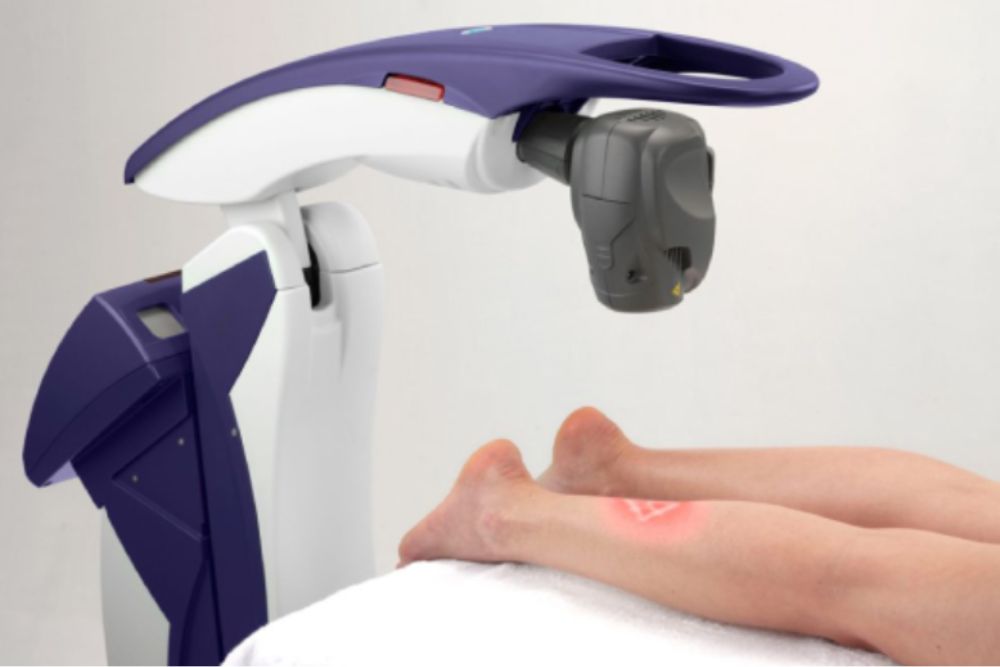
MLS stands for Multiwave Locked System. This form of laser therapy uses specific wavelengths of light in a synchronized way with the goal of helping reduce pain and inflammation while supporting tissue healing. Unlike treatments that are designed only to create surface warmth or temporary stimulation, MLS laser therapy is intended to work at a deeper level in the affected tissues.
Patients are often interested in MLS laser therapy because it is non-invasive and does not require injections or surgical intervention. For many people, that makes it an appealing option when dealing with lingering pain that has not fully responded to rest or other conservative measures.
At Khorrami Chiropractic Wellness Center, MLS laser therapy is one of several supportive services offered as part of a broader wellness and pain-relief model. The clinic also provides related services such as Class IV Laser Therapy, chiropractic care, and condition-specific treatment plans depending on the patient’s needs.
How MLS Laser Therapy May Help Reduce Pain
The main reason people look into MLS laser therapy is simple – they want to know how light-based treatment could actually make a painful area feel better. While the exact response can vary depending on the condition, the treatment is commonly used with the goal of reducing inflammation, improving local circulation, and supporting the body’s normal healing response.
When tissues are inflamed or irritated, they often become more sensitive, more restricted, and slower to recover. That can create a cycle where pain limits movement, limited movement creates more stiffness, and ongoing irritation makes the area harder to calm down. MLS laser therapy is often used to help interrupt that cycle.
In practical terms, that means patients may seek this treatment when they want help easing tissue irritation, calming inflamed areas, and making movement feel less painful. When pain decreases and tissues begin functioning better, patients are often in a stronger position to continue with exercise, rehabilitation, chiropractic care, or normal daily activity.
Inflammation Is One Of The Biggest Reasons Pain Persists
One of the most important things homeowners – or rather, patients – should understand about pain is that it is often closely tied to inflammation. After injury, overuse, repetitive stress, or chronic strain, the body may remain in an irritated state longer than expected. When that happens, pain can linger well beyond the original cause.
That is why therapies aimed at reducing inflammation can be so valuable. If inflammation remains elevated, even ordinary movement may continue aggravating the area. The result can be pain that keeps returning with walking, bending, reaching, standing, sitting, or exercising. MLS laser therapy is often used because it may help calm that inflammatory response and support a more comfortable healing environment.
This matters for both recent injuries and long-standing conditions. Some patients begin treatment because a problem is new and inflamed. Others seek care because the pain has lasted for months and they feel stuck in a cycle of flare-ups that never fully resolves.
MLS Laser Therapy May Help Support Tissue Healing
Pain relief is often most meaningful when it happens alongside healing. If a treatment helps the tissue recover more effectively, the improvement may be more useful than something that only provides temporary comfort. MLS laser therapy is often used with the goal of supporting healing in muscles, tendons, ligaments, joints, and other soft tissues that are irritated or recovering slowly.
This is especially important in areas that get used constantly. A shoulder still has to move. A knee still has to bear weight. A lower back still has to support posture, walking, lifting, and sitting. Because these areas are hard to fully rest, recovery may take longer when inflammation and tissue stress remain high. Supportive therapies that encourage better healing can make a real difference in how the body responds over time.
What Types Of Pain May Be Treated With MLS Laser Therapy
MLS laser therapy is often considered for a wide range of painful conditions, especially when inflammation, soft tissue irritation, or repetitive stress appears to be part of the problem. Patients dealing with neck pain, back pain, joint pain, nerve-related symptoms, tendon irritation, and chronic musculoskeletal discomfort may be good candidates depending on the underlying cause.
At Khorrami Chiropractic Wellness Center, related treatment pages suggest the broader types of issues the clinic addresses, including Back Pain Treatment, Sciatica Treatment, Pinched Nerve Treatment, Neuropathy Treatment, Arm and Leg Pain Treatment, and Chronic Headache Treatment.
That does not mean every painful condition is treated the same way. The real value comes from evaluating what is driving the pain and then deciding whether MLS laser therapy should be part of the plan.
Why Patients Often Seek This Treatment For Chronic Pain
Chronic pain can be especially frustrating because it changes the way people think about movement. At first, they may expect a problem to heal quickly. When it does not, they begin modifying daily routines, avoiding activities, limiting exercise, and bracing around the painful area without even realizing it. Over time, those compensations can make the situation even harder to resolve.
That is why chronic pain patients often look for treatments that are conservative but still proactive. They may not want to jump straight to invasive procedures, yet they also do not want to stay stuck in a passive pattern of waiting and hoping. MLS laser therapy appeals to many of these patients because it is designed to support recovery while being non-surgical and relatively easy to incorporate into a broader care plan.
Acute Pain May Also Benefit From Early Support
MLS laser therapy is not only for chronic problems. It may also be helpful when pain is more recent, especially if there is inflammation, strain, or injury-related irritation that would benefit from early conservative care. The earlier tissues are supported appropriately, the better the chance of reducing the kind of irritation that sometimes turns an acute problem into a longer-lasting one.
This does not mean every new injury needs the exact same treatment. It means that when pain is linked to inflammation and tissue stress, early support may help the body move toward recovery more efficiently.
What A Treatment Plan Often Looks Like
One of the most important things patients should understand is that MLS laser therapy is usually most effective when it is not viewed as a standalone magic fix. Pain often has multiple contributors. There may be joint restriction, postural stress, muscular tightness, nerve irritation, or poor movement patterns involved. If those factors are ignored, pain may improve temporarily and then return.
That is why treatment is often more successful when MLS laser therapy is paired with other appropriate services. Depending on the condition, that may include chiropractic adjustments, mobility work, soft tissue care, corrective exercise, or other supportive modalities. The purpose is to create a plan that addresses both symptoms and function rather than relying on a single treatment alone.
Why Non Invasive Options Matter To So Many Patients
Many patients are looking for pain relief options that do not require injections, long recovery periods, or more aggressive procedures. They want something that can support healing without disrupting daily life more than necessary. That is a major reason treatments like MLS laser therapy continue to attract interest.
Non-invasive care can be especially valuable for people who want to stay active during recovery. If the painful area can be supported while the patient continues working, walking, performing daily tasks, or progressing through rehabilitation, that often feels more realistic and sustainable than approaches that depend entirely on inactivity.
How Patients May Know It Is Time To Ask About MLS Laser Therapy
Patients often begin asking about MLS laser therapy when they feel like the pain has lingered longer than expected or when the same painful area keeps flaring up with normal activity. Others become interested because they want a more complete treatment plan after trying rest, ice, stretching, or medication without enough progress.
A good evaluation is important because pain relief depends on identifying the real issue. If inflammation, soft tissue irritation, nerve sensitivity, or chronic strain is part of the problem, MLS laser therapy may be worth discussing as part of the care plan.
Recovery Should Be Measured By Function Too
Pain relief is important, but it is not the only measure of progress. Real recovery also includes better movement, improved tolerance for daily activity, and more confidence using the affected area. If the pain score goes down but the patient still cannot sit comfortably, sleep well, walk normally, or return to exercise, more work may still be needed.
That is why good care focuses on function as well as symptoms. MLS laser therapy may help reduce pain, but the larger goal is to help patients move better and live with fewer limitations.
Conclusion
MLS laser therapy may help with pain relief by supporting the body’s healing response, reducing inflammation, and helping irritated tissues recover more effectively. For patients dealing with acute injuries, chronic pain, repetitive stress problems, or lingering musculoskeletal discomfort, it can be a valuable part of a more complete treatment strategy. The benefit is not only that the area may hurt less. It is that reduced pain may create a better path toward movement, function, and long-term improvement.
If you are dealing with ongoing pain and want to learn whether MLS Laser Therapy may be right for your condition, Khorrami Chiropractic Wellness Center offers personalized care designed to evaluate the cause of your symptoms and recommend the most appropriate treatment approach. To learn more, call (949) 770-0128 to schedule a consultation.