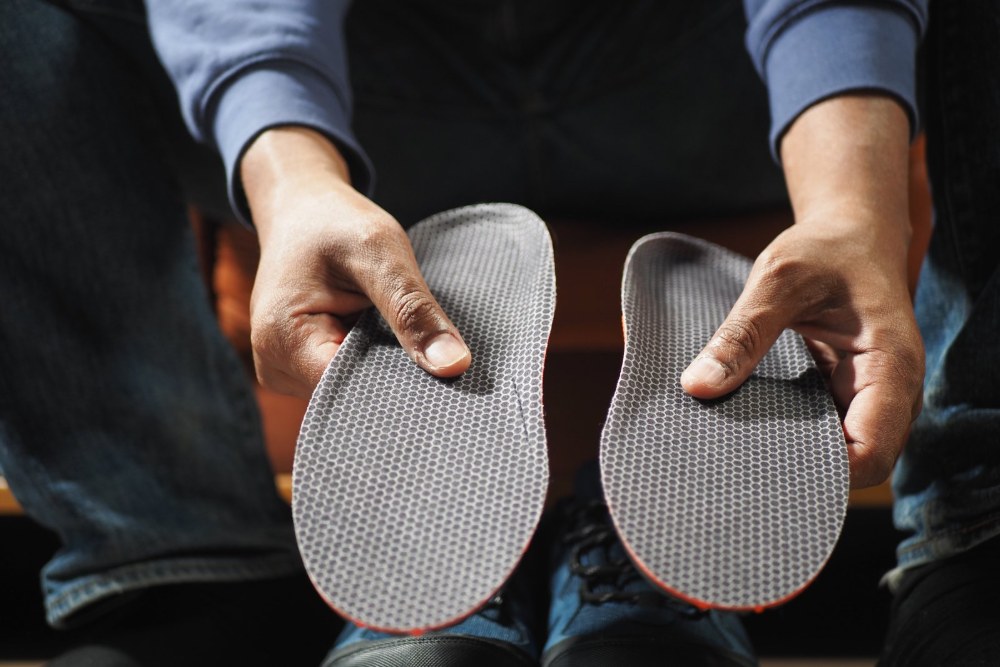
Walk down the foot care aisle of any pharmacy and you will find dozens of insoles promising arch support, cushioning, and pain relief for the price of a takeout lunch. Then you hear about custom orthotics, which are molded to your feet and cost noticeably more. It is fair to wonder whether the custom version is really worth the extra money or whether a store-bought insert would do the same job.
The honest answer is that it depends on your feet, your symptoms, and what you have already tried. For some people, a simple over-the-counter insert is enough. For others, custom orthotics are the piece that finally makes daily pain manageable. This article walks through what the research says, who tends to benefit most, and how to decide which option makes sense for you.
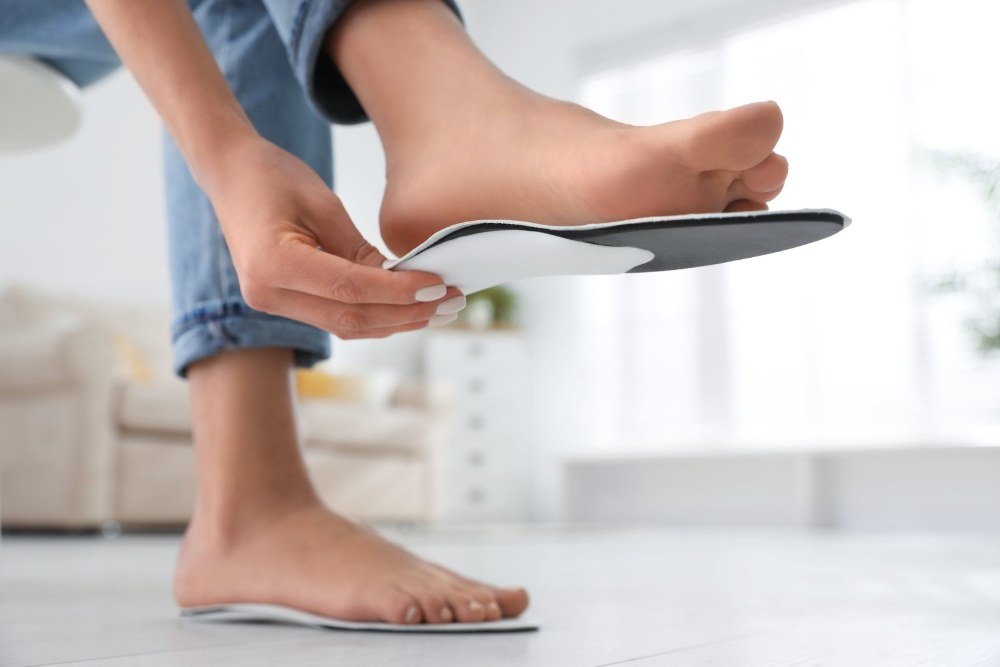
Custom Orthotics and Store-Bought Insoles Are Not the Same Product
The word orthotic gets used loosely, so it helps to define the options clearly.
- Over-the-counter insoles are mass-produced inserts sold in pharmacies, sporting goods stores, and online. They come in general shapes and sizes and are designed to fit a wide range of feet.
- Prefabricated orthotics are a step up. They are firmer, more structured inserts that a provider may recommend and sometimes adjust for you.
- Custom orthotics are made from a mold, cast, or digital scan of your own feet. They are built to match your arch height, foot shape, and the way your foot moves when you walk.
According to Cleveland Clinic, custom orthotics are designed to precisely match the contours of your feet and generally last longer than store-bought versions, though durability depends on the material, your activity level, and how well they are cared for.
What Does the Research Actually Say?
This is where the conversation gets interesting. A 2018 review published in the British Journal of Sports Medicine looked at 20 randomized controlled trials involving heel pain. As Harvard Health Publishing summarized, the researchers found that custom orthotics were no more helpful than less expensive store-bought versions for short-term heel pain relief.
That finding matters, and any provider who tells you custom orthotics are always necessary is overselling them. At the same time, the study focused on one condition and on short-term results. It does not mean custom orthotics never help. It means the decision should be based on your specific situation rather than on a sales pitch in either direction.
Signs a Store-Bought Insert May Be Enough
An over-the-counter insole is a reasonable first step in many cases. It may be all you need if the following apply to you.
- Your foot pain is mild and started recently
- Your feet are fairly typical in shape, without very high arches, very flat feet, or noticeable differences between the left and right foot
- Your symptoms improve with better shoes, stretching, and a few weeks of rest from aggravating activities
- You mainly want extra cushioning for long days on your feet
If a quality store-bought insert and good footwear solve the problem, that is a win. There is no reason to spend more than you need to.
Signs Custom Orthotics Are Worth Considering
Custom orthotics tend to make the most sense when a general insert simply cannot address what is going on with your feet. You may be a good candidate if the following sound familiar.
- You have already tried store-bought inserts and the pain keeps coming back
- Your feet have a structural difference, such as very flat feet, high arches, bunions, or one foot that functions differently from the other
- Your pain travels up the chain into your knees, hips, or lower back and seems connected to how you stand and walk
- You are on your feet for long shifts on hard floors, such as nurses, teachers, retail workers, and warehouse staff
- You run or train regularly and keep developing the same overuse injuries
- You have reduced sensation in your feet and need support that limits pressure on vulnerable areas
In these situations, a device made from your own foot shape can distribute pressure more precisely than a one-size insert designed for the average foot.
How Custom Orthotics Are Made
The process starts with an evaluation, not a sales counter. At our Laguna Hills clinic, the steps look like this.
- Foot and gait evaluation. Your provider looks at your foot structure, your posture, and how your feet move when you stand and walk.
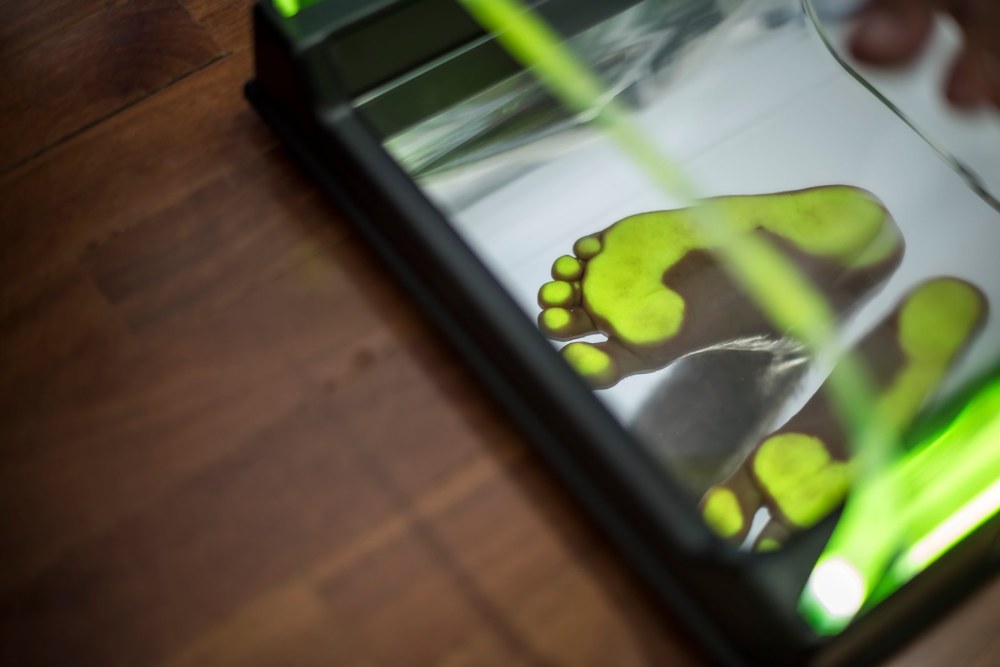
- Capturing your foot shape. An impression, mold, or digital scan records the exact contours of each foot.
- Fabrication. The orthotics are built from those measurements with the level of support and flexibility your feet need.
- Fitting. At a follow-up visit, your provider checks comfort and support and makes sure the orthotics fit your everyday shoes.
You can learn more about the process on our custom orthotics page.
Conditions Custom Orthotics May Help
Orthotics are not a cure on their own, but they can be a useful part of a treatment plan for several foot and lower body problems. Cleveland Clinic lists conditions such as plantar fasciitis, flat feet and high arches, bunions, Morton’s neuroma, metatarsalgia, and runner’s knee among those that orthotics may help.
Orthotics Work Best as Part of a Bigger Plan
An insert in your shoe will not undo tight calves, weak foot muscles, or months of irritated tissue by itself. The best results usually come from combining orthotics with other care, such as stretching and strengthening exercises, supportive footwear, and treatments that calm inflamed tissue.
Depending on your evaluation, that plan may include shockwave treatment for stubborn heel and tendon pain, MLS laser therapy to support healing, or chiropractic care to address how your hips and spine respond to the way you move. You can see everything we offer on our services page.
What to Expect When You Start Wearing Them
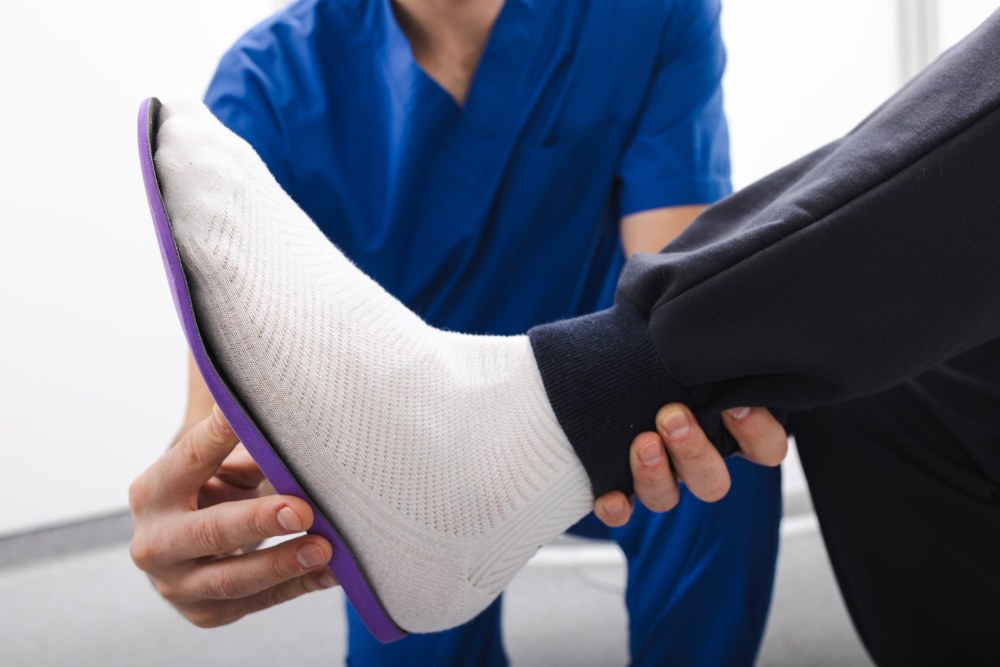
Custom orthotics can feel different at first, especially if your feet are used to flat shoes with little support. A gradual break-in period helps your body adjust.
- Start by wearing them for an hour or two on the first day
- Add time each day over one to two weeks
- Wait until they feel comfortable for everyday wear before using them for running or long workouts
- Let your provider know about any new pain, rubbing, or pressure spots so the fit can be adjusted
Mild awareness of the orthotics is normal early on. Sharp pain or blisters are not, and they are a sign that something needs to be checked.
Getting the Most Out of Your Investment
If you decide custom orthotics are right for you, a few habits help them last and keep working well.
- Wear them in the right shoes. Orthotics work best in shoes with a removable insole and enough depth to hold them.
- Move them between pairs. One set can usually go from your work shoes to your walking shoes.
- Keep them clean and dry. Wipe them down and let them air out rather than leaving them in damp shoes.
- Check them regularly. Cracks, flattening, or worn top covers are signs they may need repair or replacement.
- Revisit the fit after changes. A new sport, a significant change in weight, or new symptoms are good reasons to have them rechecked.
Good posture habits support the work your orthotics are doing. Our guide to daily habits that improve posture and long-term spinal health offers simple changes you can start today.
So, Are Custom Orthotics Worth It?
Custom orthotics are worth it when your feet need something a general insert cannot provide. If you have mild, new foot pain and typical foot structure, starting with a quality store-bought insert and better shoes is a sensible move. If you have tried that without lasting relief, have a structural foot difference, or have pain that seems connected to how you stand and walk, a custom pair built from your own foot shape may be the better long-term choice.
The most useful first step is an evaluation. Knowing why your feet hurt makes it much easier to decide whether you need custom orthotics, a simpler insert, or a different treatment altogether.
Custom Orthotics Evaluations in Laguna Hills
If you are tired of guessing in the insole aisle, Dr. Marjan Khorrami, D.C. can evaluate your feet, posture, and gait and give you a straight answer about whether custom orthotics make sense for you. We serve patients throughout South Orange County, including Laguna Hills, Mission Viejo, Lake Forest, Laguna Niguel, and Aliso Viejo.
Call (949) 770-0128 or schedule an appointment online. New patients can save time by completing the new patient registration form before the first visit.
Khorrami Chiropractic Wellness Center
25301 Cabot Rd #106
Laguna Hills, CA 92653
Phone: (949) 770-0128
FAQs
Are custom orthotics better than insoles from the store?
Not always. Research on heel pain found that custom orthotics were no more helpful than store-bought versions for short-term relief. Custom orthotics tend to be more useful for people with structural foot differences, recurring pain despite store-bought inserts, or symptoms that affect the knees, hips, or back.
How long do custom orthotics last?
Custom orthotics generally last longer than store-bought insoles, often several years. How long yours last depends on the materials, how active you are, changes in your weight, and how well you care for them. Top covers may need replacing sooner than the orthotic itself.
Can custom orthotics help with back pain?
They may help some people whose back or hip discomfort is linked to how their feet move and absorb impact. They are not a treatment for every type of back pain, which is why an evaluation of your posture and gait is important before deciding.
Do I need a prescription for custom orthotics?
Custom orthotics are made after an evaluation by a qualified provider, who takes a mold or scan of your feet. If you plan to use insurance or a health savings account, check your plan’s requirements in advance, since coverage rules vary.
How long does it take to get used to custom orthotics?
Most people adjust within one to two weeks by gradually increasing how long they wear them each day. Mild awareness of the orthotics is normal at first. Pain, blisters, or pressure spots should be reported to your provider so the fit can be adjusted.
Can I wear custom orthotics in all of my shoes?
They fit best in shoes with removable insoles and enough depth, such as athletic shoes, walking shoes, and many work shoes. Very narrow dress shoes, heels, and sandals usually do not have room for a full orthotic. Some people choose a second, slimmer pair for dress shoes.
Where can I get custom orthotics in Orange County?
KC Wellness Center in Laguna Hills offers foot and gait evaluations and custom orthotics for patients throughout South Orange County. Call (949) 770-0128 or contact us to schedule a visit.
Healthcare Disclaimer: This article is for general educational purposes only and is not a diagnosis, treatment recommendation, or substitute for professional medical care. Please consult a qualified healthcare provider about your specific symptoms and treatment options.