Persistent back pain, neck pain, sciatica, numbness, and restricted movement can make ordinary activities increasingly difficult. Sitting through a workday, driving, sleeping, exercising, or even standing for a short period may become uncomfortable when a spinal disc or nearby nerve is irritated.
For patients seeking a conservative option before considering injections or surgery, nonsurgical spinal decompression may be included in a personalized treatment plan. This computer-controlled therapy gently applies and releases traction to selected areas of the spine. The objective is to reduce mechanical stress, improve movement, and relieve pressure affecting spinal discs and nerve roots.
Nonsurgical spinal decompression is not appropriate for every form of back or neck pain, and it should not be promoted as a guaranteed cure. The treatment is most useful when a qualified provider has identified a disc-related or nerve-related condition that may respond to controlled decompressive forces.
Khorrami Chiropractic Wellness Center provides personalized spinal care in Laguna Hills for patients throughout Orange County. Dr. Marjan Khorrami, D.C., evaluates each patient before recommending nonsurgical spinal decompression therapy or another conservative treatment.
Understanding Nonsurgical Spinal Decompression
Nonsurgical spinal decompression is a form of motorized traction performed on a specialized treatment table. The patient remains clothed and is positioned comfortably while supportive harnesses or straps help control the treatment area.
The equipment applies a carefully selected pulling force to the lumbar or cervical spine. Rather than maintaining one continuous stretch, many systems alternate between periods of tension and relaxation. The provider adjusts the force, angle, duration, and treatment pattern according to the patient’s condition, comfort, body size, and response.
The treatment does not involve an incision, anesthesia, injection, or hospital stay. Patients typically leave the office after the appointment and return to most ordinary activities, subject to any restrictions recommended by the provider.
Nonsurgical spinal decompression should not be confused with surgical decompression. Surgical procedures physically remove or modify disc material, bone, or other structures that are compressing nerves. Nonsurgical treatment uses external traction and positioning without altering the spinal anatomy through surgery.
The Structure of the Spine
The spine consists of individual bones called vertebrae. Intervertebral discs sit between most of these bones and help absorb shock while allowing movement.
Each disc has a tough outer layer known as the annulus fibrosus and a softer center called the nucleus pulposus. With aging, repetitive strain, injury, prolonged sitting, heavy lifting, or other stresses, a disc may lose hydration and flexibility. It may begin to bulge or develop a tear that allows part of the inner material to move outward.
A disc abnormality does not always cause pain. Many people have bulging or degenerative discs without noticeable symptoms. Problems may develop when the disc, inflammation, narrowed space, or another spinal structure irritates a nearby nerve.
Nerve irritation can produce localized pain as well as radiating symptoms. A problem in the lower back may cause pain, tingling, numbness, or weakness extending into the buttock, thigh, leg, or foot. A cervical disc problem may affect the neck, shoulder, arm, hand, or fingers.
Patients can learn more about disc-related symptoms on the clinic’s herniated and bulging disc treatment page.
The Purpose of Decompression Therapy
The immediate purpose of decompression therapy is to apply controlled traction to a selected spinal region. This may temporarily reduce pressure affecting joints, discs, muscles, and nerve roots.
By alternating tension and relaxation, the treatment attempts to create a more comfortable mechanical environment around the affected spinal segment. Some patients experience reduced pressure, less radiating pain, greater mobility, or an improved ability to participate in exercise and rehabilitation.
The treatment should not be described as permanently pulling a disc back into place. Spinal discs and nerve symptoms are biologically complex, and improvement may result from several factors, including reduced mechanical irritation, natural healing, decreased muscle guarding, changes in movement, and time.
The broader objective is to help the patient move more comfortably and progress into activities that support longer-term function.
Conditions Commonly Evaluated for Decompression
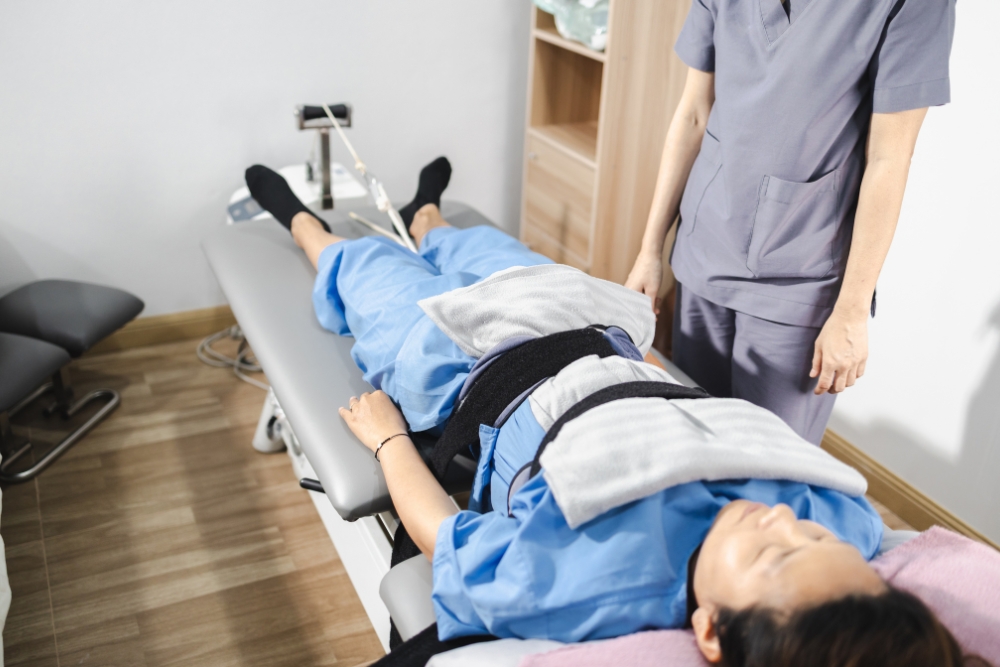
A provider may consider nonsurgical decompression when symptoms appear to be associated with a disc or nerve-related condition. The final recommendation depends on the examination, diagnosis, medical history, imaging when available, and presence of contraindications.
Bulging Discs
A bulging disc extends beyond its usual boundary but does not necessarily have a complete tear in the outer layer. A bulge may be broad and may or may not contact a spinal nerve.
When a disc bulge contributes to localized pain or nerve irritation, decompression may be considered as one component of conservative care.
Herniated Discs
A herniated disc occurs when material from the inner portion of the disc pushes through a weakened or torn area of the outer layer. The resulting inflammation and mechanical pressure can irritate nearby nerves.
Most lumbar disc herniations are initially managed without surgery unless the patient has an emergency condition, severe progressive weakness, or another reason for urgent surgical evaluation.
Degenerative Disc Disease
Degenerative disc disease refers to age-related or injury-related changes that can reduce disc height, hydration, and flexibility. These changes may increase stress on nearby joints and alter how forces move through the spine.
Decompression does not reverse aging or rebuild a severely damaged disc. Treatment may be considered to reduce symptoms and improve function in appropriately selected patients.
Sciatica and Lumbar Radiculopathy
Sciatica describes pain that follows the pathway of the sciatic nerve, usually from the lower back or buttock into the leg. Patients may also experience burning, tingling, numbness, or weakness.
The term sciatica describes a symptom pattern rather than one specific diagnosis. A herniated disc, spinal narrowing, joint changes, inflammation, or another condition may be responsible.
An examination is necessary to identify the likely cause before treatment begins. Additional information is available on the clinic’s sciatica treatment page.
Pinched Nerves
A spinal nerve may become irritated when the space around it is reduced or surrounding tissues become inflamed. The patient may experience pain, tingling, numbness, altered sensation, or muscle weakness.
Decompression may be considered when the nerve irritation appears to have a mechanical spinal component. Progressive neurological symptoms require prompt medical evaluation.
Facet Joint Stress
Facet joints are small joints located behind the vertebrae. They guide spinal movement and can become painful because of arthritis, compression, injury, or altered mechanics.
Controlled traction may temporarily reduce pressure through some spinal joints. However, facet pain and disc-related pain are different conditions, and the treatment plan should reflect the correct diagnosis.
Who May Be a Candidate?
A potential candidate may have persistent neck or lower-back symptoms associated with a confirmed or suspected disc problem, sciatica, nerve irritation, degenerative changes, or joint compression.
The patient may have already tried rest, activity modification, medication, chiropractic care, exercise, or another conservative approach without sufficient improvement. Some patients seek decompression because they want to explore nonsurgical options before considering injections or an operation.
Candidacy cannot be determined from symptoms alone. Two patients with similar pain may have entirely different underlying conditions. One may have a disc herniation, while another has a fracture, hip disorder, kidney problem, infection, or another condition that requires different care.
A complete evaluation should consider where the pain begins, where it travels, what movements aggravate it, whether weakness or numbness is present, and how the symptoms affect daily activities.
Conditions That May Rule Out Treatment
Nonsurgical spinal decompression may not be suitable for patients with certain medical conditions or structural problems. Contraindications and precautions vary according to the equipment, spinal region, treatment force, and individual health history.
Conditions requiring additional caution or another form of care may include an unstable fracture, advanced osteoporosis, spinal instability, certain tumors, active spinal infection, severe neurological impairment, recent spinal surgery, implanted hardware, abdominal aortic aneurysm, or other significant medical concerns.
Pregnancy may also affect whether lumbar decompression can be performed safely because of patient positioning and pressure from a harness.
Patients should disclose prior surgeries, implanted devices, cancer history, fractures, osteoporosis, cardiovascular conditions, medication use, and all current symptoms before treatment.
Warning Signs That Require Immediate Medical Attention
Some symptoms should not be managed as routine back pain or delayed while trying conservative treatment. Immediate medical evaluation is necessary when symptoms may indicate severe nerve compression or another emergency.
Seek urgent care for new loss of bladder or bowel control, inability to urinate, numbness around the groin or inner thighs, rapidly worsening leg weakness, loss of coordination, or severe symptoms affecting both legs.
Emergency evaluation may also be needed for back pain associated with major trauma, fever, unexplained weight loss, known cancer, serious infection risk, or sudden severe abdominal or chest symptoms.
These warning signs may require diagnostic testing and urgent medical or surgical treatment rather than spinal decompression.
The Initial Evaluation
A responsible decompression program begins with an examination rather than placing every patient with back pain on the same machine.
The provider may ask when the symptoms started, whether they followed an injury, and which positions make them better or worse. The history should address previous treatment, surgery, medications, health conditions, work demands, exercise habits, and functional limitations.
The physical examination may assess posture, spinal movement, muscle strength, reflexes, sensation, gait, balance, joint mobility, and areas of tenderness. Orthopedic or neurological tests may help determine whether a nerve root is irritated.
The findings help the provider decide whether spinal decompression is appropriate, whether imaging or referral is needed, and which region and treatment angle should be addressed.
Is an MRI Required?
An MRI is not automatically required before every conservative back-pain treatment. Many patients can be evaluated through their history and physical examination.
Imaging may be useful when symptoms are severe, neurological deficits are present, conservative care has not helped, surgery is being considered, or the provider suspects a condition requiring more detailed assessment.
An MRI can show discs, nerve roots, the spinal canal, and other soft tissues. However, imaging findings must be interpreted alongside the patient’s symptoms. A disc bulge visible on an MRI may not be the source of pain, particularly when the location does not match the clinical findings.
The treatment plan should address the patient rather than treating an image alone.
A Typical Treatment Session
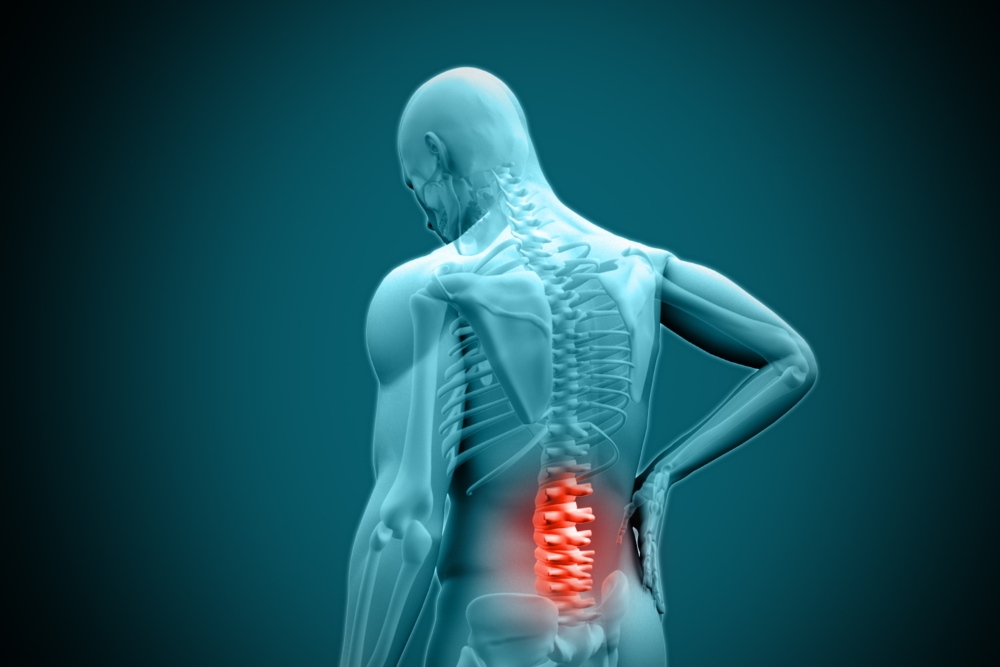
At the beginning of an appointment, the patient is positioned on the decompression table. The treatment may be performed face up or face down depending on the equipment, spinal region, and clinical objective.
A harness or support system stabilizes the body while the table applies traction to the selected area. The provider programs the force and pattern based on the patient’s weight, condition, comfort, and previous response.
The patient typically feels a controlled pulling or stretching sensation. The equipment may cycle between stronger and lighter tension during the session.
The patient should communicate any sharp, radiating, or worsening symptoms immediately. Treatment settings can be adjusted, paused, or discontinued when the response is not appropriate.
Khorrami Chiropractic Wellness Center may combine decompression with other services when clinically appropriate. The clinic’s available options are listed on its chiropractic and wellness services page.
What Decompression Feels Like
Many patients describe the treatment as a gentle or moderate spinal stretch. Some experience a sense of reduced pressure, while others need several visits before noticing a meaningful change.
The session should not involve intolerable pain. Mild muscle soreness can occur as the body adjusts to positioning and traction, particularly when the patient has been guarded or inactive for a long period.
Any increase in numbness, weakness, radiating pain, or other neurological symptoms should be reported. Treatment may need to be modified or stopped while the condition is reassessed.
Expected Treatment Frequency
There is no universal number of spinal decompression sessions. Treatment frequency depends on the diagnosis, severity, duration of symptoms, overall health, functional goals, and response to care.
Some programs begin with several sessions per week and gradually reduce the frequency as symptoms and function improve. Other patients may need a shorter trial to determine whether the approach is producing a useful response.
A treatment plan should include scheduled reassessments. Continuing the same therapy indefinitely without measurable improvement is not an appropriate strategy.
Progress may be evaluated through pain patterns, walking or sitting tolerance, range of motion, neurological findings, sleep, work capacity, and ability to complete daily activities.
Results Develop Differently for Each Patient
Some patients report improvement during the early portion of treatment, while others progress gradually. A temporary improvement after one session does not establish that the underlying condition has resolved.
Likewise, the absence of immediate relief does not always mean the treatment cannot help. Longstanding nerve irritation and movement limitations may require time and a broader rehabilitation plan.
Age, activity level, diagnosis, smoking, sleep, general health, work demands, and adherence to home recommendations may influence the recovery process.
No responsible provider should guarantee that decompression will eliminate pain, avoid surgery, or permanently repair a disc.
Spinal Decompression and Active Rehabilitation
Passive treatment alone may not address the movement, strength, endurance, and lifestyle factors that contribute to recurring symptoms.
As pain becomes more manageable, the patient may benefit from exercises designed to improve trunk control, hip strength, mobility, balance, and tolerance for daily activities. The appropriate program depends on the diagnosis and should not be copied from a generic online routine.
Neuromuscular re-education may also help patients improve coordination and movement patterns following pain, injury, or prolonged compensation.
The objective is to help the patient become less dependent on passive care by building the physical capacity needed for work, exercise, and ordinary movement.
Daily Habits That Influence Recovery
Even a carefully designed treatment plan can be undermined when the same aggravating stress continues throughout the day.
Prolonged sitting may increase discomfort for some patients with lumbar disc symptoms. Short movement breaks, changes in position, and an appropriately arranged workstation may reduce continuous spinal loading.
Lifting technique also matters. Bending and twisting while holding a heavy object can increase stress on the lower back. Keeping the load close to the body, using the legs, and avoiding sudden rotation may reduce risk.
Patients should also discuss sleep position, exercise, driving, work duties, and other activities that repeatedly reproduce their symptoms.
The goal is not to avoid movement permanently. The goal is to remove unnecessary aggravation while gradually restoring safe activity.
Comparing Decompression With Ordinary Traction
The terms spinal decompression and traction are sometimes used interchangeably, but clinics and equipment manufacturers may describe them differently.
Traditional traction may use a sustained or intermittent pulling force. Computerized decompression systems may provide more programmable control over force, angle, cycling, and relaxation.
Despite equipment differences, both approaches use external mechanical force to stretch or unload part of the spine. Marketing terminology should not replace a careful evaluation of the patient, the clinical rationale, and the available evidence.
Research on traction and proprietary decompression protocols has produced mixed results. Some studies suggest short-term improvements for selected patients, particularly when traction is combined with rehabilitation. Other reviews and guidelines do not recommend routine traction for nonspecific lower-back pain or sciatica.
For that reason, decompression should be considered a condition-specific treatment option rather than a universal solution for every patient with spinal pain.
Decompression Compared With Chiropractic Adjustments
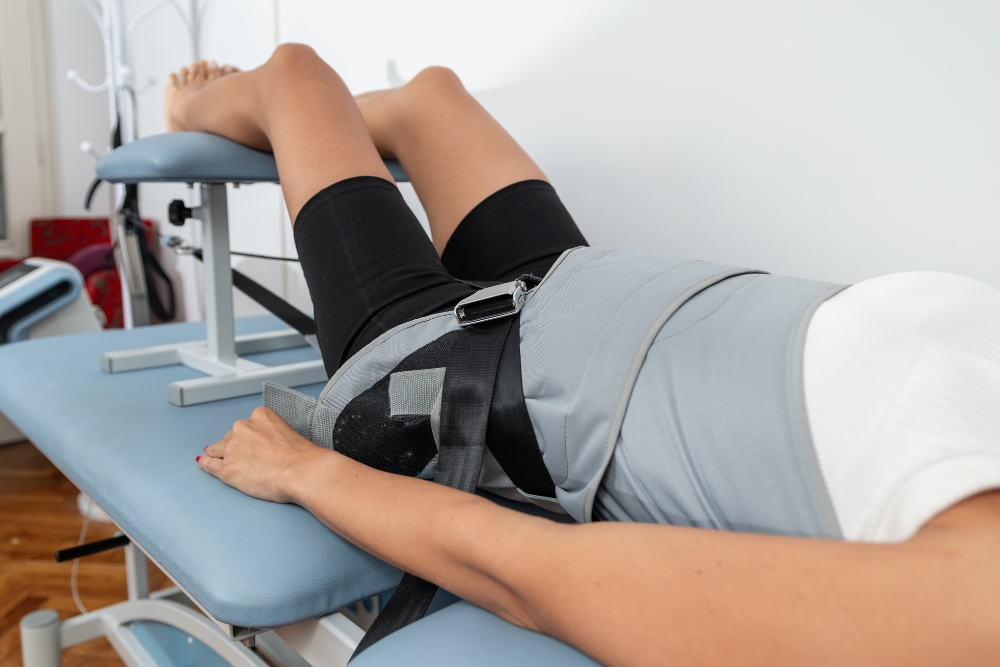
Spinal decompression and chiropractic adjustments are different procedures. Decompression applies sustained or intermittent traction, while an adjustment uses a controlled manual or instrument-assisted force directed at a joint.
A provider may recommend one treatment, both treatments, or neither, depending on the diagnosis and patient tolerance.
A highly irritated disc or nerve may require a different approach than stiffness caused primarily by restricted joint movement. The treatment plan should reflect the patient’s presentation rather than applying the same combination to everyone.
Decompression Compared With Injections
Epidural steroid injections are intended to reduce inflammation around an irritated spinal nerve. They may provide temporary relief for some patients, particularly when radiating pain remains severe after an initial period of conservative care.
Spinal decompression does not inject medication and works through a mechanical approach. The treatments are not direct substitutes because they address symptoms differently.
A patient with severe inflammation may be referred for a medical consultation, while another patient may begin with conservative care. Decisions should be based on symptom severity, neurological findings, prior treatment, health history, and patient preferences.
Decompression Compared With Surgery
Surgery may directly remove disc material, bone, or another structure compressing a nerve. It may be necessary when the patient has progressive weakness, loss of bladder or bowel function, severe instability, or symptoms that remain disabling despite appropriate conservative care.
Nonsurgical decompression does not physically remove the compressing structure. It is intended to reduce symptoms and improve function without an operation.
Many people with lumbar disc herniations improve through nonsurgical management, but delaying necessary surgery in the presence of worsening neurological loss can create additional risk.
A conservative provider should refer a patient for medical or surgical evaluation when the examination indicates that decompression is inappropriate or when adequate progress is not occurring.
Benefits Patients Commonly Seek
Patients considering decompression often want to reduce radiating pain, improve sitting and walking tolerance, sleep more comfortably, return to exercise, or perform work duties with fewer limitations.
Other potential advantages include the absence of an incision, anesthesia, hospitalization, and surgical recovery. Treatment settings can also be adjusted according to patient comfort and response.
These advantages do not mean the treatment is risk-free or universally effective. Results vary, and some patients may experience no meaningful improvement.
Possible Side Effects and Limitations
Temporary muscle soreness, stiffness, or an increase in familiar symptoms may occur after a session. Excessive force or inappropriate treatment can aggravate pain or neurological symptoms.
Decompression cannot correct every cause of back or neck pain. It will not treat an infection, tumor, fracture, systemic disease, or every type of spinal instability.
It also cannot erase age-related changes or guarantee that a disc will never become painful again.
A patient whose symptoms continue worsening should be reassessed rather than simply receiving stronger or more frequent traction.
Evaluating Progress
Pain intensity is only one measure of improvement. A patient may still report some discomfort while gaining meaningful function.
Useful progress indicators may include being able to sit longer, walk farther, sleep with fewer interruptions, perform household tasks, drive comfortably, reduce radiating symptoms, or return to appropriate exercise.
Neurological findings such as strength, sensation, and reflexes should also be monitored when nerve involvement is suspected.
The provider and patient should establish practical goals at the beginning of care and review them periodically. If progress plateaus, the diagnosis and treatment plan may need to be reconsidered.
Reducing the Risk of Another Flare-Up
Long-term recovery generally depends on more than completing a series of decompression sessions. The patient may need to improve strength, modify work habits, maintain a healthy activity level, and avoid repeatedly provoking the injured area.
A gradual return to lifting, sports, and exercise is usually more appropriate than remaining inactive for an extended period and then suddenly resuming full activity.
Patients should continue the recommended mobility or strengthening program after symptoms improve. The purpose is to build capacity so the spine can better tolerate ordinary demands.
Early attention to recurring symptoms may prevent a mild flare from developing into a prolonged episode.
Choosing a Spinal Decompression Provider
The equipment is only one part of treatment. The provider’s evaluation, diagnosis, communication, and willingness to modify the plan are equally important.
Before beginning care, ask what condition is being treated, why decompression is being recommended, what alternatives are available, and how progress will be measured.
The provider should also explain the expected treatment schedule, potential side effects, limitations, and symptoms that require immediate medical attention.
Be cautious about guaranteed success rates, claims that every patient can avoid surgery, or long prepaid programs offered before an adequate examination.
Learn more about Dr. Marjan Khorrami and the clinic’s approach to individualized chiropractic and wellness care.
Spinal Decompression in Laguna Hills and Orange County
Nonsurgical spinal decompression may offer a conservative treatment option for carefully selected patients with disc-related back pain, neck pain, sciatica, or nerve irritation. It is most effective when it is based on a thorough evaluation and incorporated into a broader plan that addresses movement, strength, activity, and daily habits.
Khorrami Chiropractic Wellness Center serves patients from Aliso Viejo, Irvine, Laguna Hills, Laguna Niguel, Laguna Woods, Lake Forest, Mission Viejo, Newport Beach, Rancho Santa Margarita, and surrounding Orange County communities.
The clinic provides spinal decompression, chiropractic care, laser therapy, shockwave treatment, custom orthotics, neuromuscular re-education, and other personalized services based on each patient’s condition and goals.
Call (949) 770-0128 or schedule an appointment at 25301 Cabot Road, Suite 106, Laguna Hills, CA 92653.
FAQs
1. What is nonsurgical spinal decompression?
Nonsurgical spinal decompression is a motorized traction treatment that applies controlled stretching and relaxation forces to the cervical or lumbar spine. It may be included in conservative care for selected disc, joint, or nerve-related conditions.
2. Is spinal decompression the same as surgery?
No. Nonsurgical decompression uses an external treatment table and does not involve an incision or removal of spinal tissue. Surgical decompression physically removes or alters structures that are compressing nerves.
3. Does spinal decompression permanently repair a herniated disc?
Spinal decompression should not be described as a guaranteed way to permanently repair a disc. It may help reduce symptoms and mechanical stress while the body follows its natural healing process. Results vary by diagnosis and patient.
4. Is spinal decompression painful?
Many patients experience a controlled stretching sensation rather than pain. Mild soreness may occur. Sharp pain, increased numbness, weakness, or worsening radiating symptoms should be reported immediately.
5. How many decompression sessions will I need?
There is no fixed number appropriate for everyone. Frequency depends on the diagnosis, symptom duration, severity, overall health, goals, and response. The treatment plan should include periodic reassessment.
6. Can spinal decompression help sciatica?
It may help selected patients when sciatica is associated with a disc or mechanical spinal condition. Sciatica has several possible causes, so an examination is needed before recommending treatment.
7. Can decompression help neck pain and arm tingling?
Cervical decompression may be considered when neck and arm symptoms are related to a disc or nerve-root problem. Progressive weakness, loss of coordination, or other neurological changes require prompt medical evaluation.
8. Do I need an MRI before spinal decompression?
Not every patient needs an MRI before beginning conservative treatment. Imaging may be recommended when severe or progressive neurological symptoms are present, the diagnosis is uncertain, or prior care has not helped.
9. When should spinal decompression be avoided?
It may be inappropriate for patients with certain fractures, severe osteoporosis, instability, infections, tumors, vascular conditions, recent surgery, or other medical concerns. Candidacy must be determined through an individual evaluation.
10. Where is nonsurgical spinal decompression available in Orange County?
Khorrami Chiropractic Wellness Center provides spinal decompression in Laguna Hills for patients throughout Orange County. Call (949) 770-0128 or visit the contact page to request an evaluation.
Healthcare Disclaimer: This article is provided for general educational purposes and is not a diagnosis, treatment recommendation, or substitute for care from a qualified healthcare professional.